Introduction to Children’s Literature
Reading plays a pivotal role in childhood development, serving as a fundamental activity that promotes essential skills and knowledge acquisition. From a very young age, children are naturally curious, exploring the world around them through questions and discoveries. Engaging with literature not only fuels this curiosity but also provides them with a diverse range of ideas, concepts, and knowledge that enhance their understanding of life.
The benefits of reading extend beyond mere enjoyment; they are integral to enhancing cognitive skills. Children who are regularly exposed to books often develop improved language skills, including vocabulary enhancement and comprehension abilities. These cognitive advancements contribute significantly to academic success as children grow older, making it imperative for parents and educators to prioritize reading in their daily routines.
Moreover, children’s literature fosters imagination and creativity. Through storytelling, children are transported to fantastical realms or brought face-to-face with real-world situations, all of which stimulate their imagination. Books with rich narratives encourage children to envision and explore scenarios, thereby enhancing their ability to think critically and creatively.
Finding the right books for children under 15 is essential as they begin to form their identities and beliefs during these formative years. Literature serves as a tool for exploration and helps shape their understanding of complex themes such as friendship, diversity, and resilience. The selection of age-appropriate and intellectually stimulating books can significantly impact children, making it crucial for parents and guardians to choose wisely.
In summary, children’s literature is much more than a source of entertainment; it is a vital resource for knowledge acquisition, cognitive development, and imaginative growth. The right literary experiences pave the way for children’s success, fostering a lifelong love for reading and learning.
Age-Appropriate Reading Categories
Identifying suitable literature for children and teenagers under the age of 15 can greatly enhance their knowledge and foster a lifelong love for reading. It is essential to categorize books based on age groups, ensuring that each child encounters text that is both engaging and appropriately challenging.
For younger children, often categorized as toddlers to preschoolers (ages 0-5), picture books serve as a fantastic introduction to the world of literature. These books combine simple text with vivid illustrations, which is crucial for developing early literacy skills. Notable examples include “The Very Hungry Caterpillar” by Eric Carle and “Brown Bear, Brown Bear, What Do You See?” by Bill Martin Jr. Such books not only capture children’s attention but also promote an understanding of basic concepts like colors, numbers, and animal names.
As children transition to the early elementary years (ages 5-8), they are typically ready for chapter books. These texts still include illustrations but are longer and involve more complex storylines, fostering engagement and improving reading skills. Classics such as “Magic Tree House” series by Mary Pope Osborne and “Junie B. Jones” by Barbara Park are excellent choices. These books help children to develop their personal preferences in reading and introduce them to various genres.
Lastly, for older kids (ages 9-15), young adult novels present a bridge into the realm of more serious literature. These novels often tackle significant life issues, identity, and friendships. Titles like “Wonder” by R.J. Palacio and “Harry Potter and the Sorcerer’s Stone” by J.K. Rowling not only entertain but also encourage critical thinking and empathy. By encountering diverse characters and situations, readers can reflect on their own lives and understand the complexity of human experiences.
Top Themes and Genres for Knowledge Expansion
Choosing the right books for children under 15 can significantly enhance their knowledge and comprehension. A variety of themes and genres can captivate young readers while providing educational value. Science fiction is particularly effective in expanding children’s horizons by allowing them to explore futuristic concepts, technological advancements, and ethical questions surrounding science. This genre not only fuels imagination but also encourages critical thinking about the possibilities of the future.
Historical fiction offers another avenue for knowledge enhancement, taking readers on a journey through time. By immersing children in different eras and cultures, these books can help them understand historical events and figures in an engaging way. Such narratives often blend factual history with captivating storytelling, making it easier for children to absorb complex information while enjoying the plot.
Furthermore, non-fiction books serve as a valuable resource for young learners seeking factual knowledge. These works cover a wide range of topics, including science, nature, and social issues, enabling children to develop a well-rounded perspective of the world around them. Non-fiction can be particularly beneficial when it presents information through interesting anecdotes or visually appealing formats, keeping readers engaged.
Fantasy literature also plays a crucial role in fostering creativity and problem-solving skills. By presenting fantastical worlds with challenges and conflicts, fantasy books allow children to explore complex themes such as friendship, courage, and perseverance within a safe context. This genre not only entertains but also teaches important life lessons through its imaginative tales.
Incorporating diversity in themes and genres is essential for broadening children’s understanding of different cultures and experiences. Exposure to varied narratives allows young readers to empathize with others, fostering an appreciation for diversity and inclusivity. By incorporating an array of genres—ranging from science fiction to historical portrayals—parents and educators can nurture a lifelong love of reading, all while enhancing knowledge and broadening perspectives.
Recommended Authors for Kids
Several prominent authors have made significant contributions to children’s literature, transforming the way children engage with stories and knowledge. Among these notable figures is Roald Dahl, celebrated for his imaginative storytelling that often intertwines elements of fantasy with moral lessons. His books, such as Matilda and Charlie and the Chocolate Factory, not only entertain but also encourage children to embrace their individuality and pursue knowledge enthusiastically.
Another influential author is J.K. Rowling, best known for the Harry Potter series. Rowling’s works have captivated millions and have had a profound educational impact, introducing themes of courage, friendship, and the importance of choices. The magical world of Harry Potter not only stimulates young readers’ imaginations but also instills values such as bravery and loyalty, making learning deeply enjoyable.
Additionally, authors like E.B. White and his beloved work, Charlotte’s Web, offer readers a unique insight into themes of friendship, empathy, and the cycle of life. White’s engaging narrative style captivates young audiences while fostering empathy towards animals and the environment. Similarly, authors like Judy Blume have addressed a variety of topics pertinent to children’s experiences, from friendship to growing up, providing important lessons through relatable stories.
Lastly, consider the works of Astrid Lindgren, who created the iconic character Pippi Longstocking. Lindgren’s stories celebrate imagination and independence, pushing young readers to think critically and appreciate their unique abilities. Each of these authors has utilized distinct writing styles and themes to engage children, effectively enhancing their knowledge and fostering a lifelong love for reading.
Online Resources for Finding Books
In the quest to find quality literature for children under 15, several online platforms offer invaluable resources. One prominent website is Book Trust, which provides curated lists of books for various age groups. Users can explore recommendations that align with different interests, ensuring that young readers find stories that capture their imagination. The site is not only a treasure trove of suggestions, but it also offers articles that help parents and educators understand the importance of reading in a child’s development.
Goodreads is another exceptional platform for discovering books. This social network for readers allows users to track their reading progress, rate books, and write reviews. Parents and teachers can join specific groups focused on children’s literature, where they can exchange recommendations, discuss themes, and share experiences. By utilizing various reading lists created by fellow users, they can easily find age-appropriate and engaging literature for different reading levels.
Lastly, the American Library Association (ALA) provides extensive resources geared towards children’s books. Their annual lists of award-winning titles, such as the Newbery and Caldecott Medals, offer exceptional selections that are acknowledged by industry experts. Additionally, ALA’s website includes guides specifically designed for educators and librarians to promote literacy and encourage children’s reading habits.
To make the most of these online resources, parents and educators should start by familiarizing themselves with the platforms’ search functions. Users can filter results based on age, genre, or themes to find suitable books. Creating an account on these websites can further enhance the user experience, allowing for personalized book recommendations based on past reading preferences.
Local Libraries and Bookstores
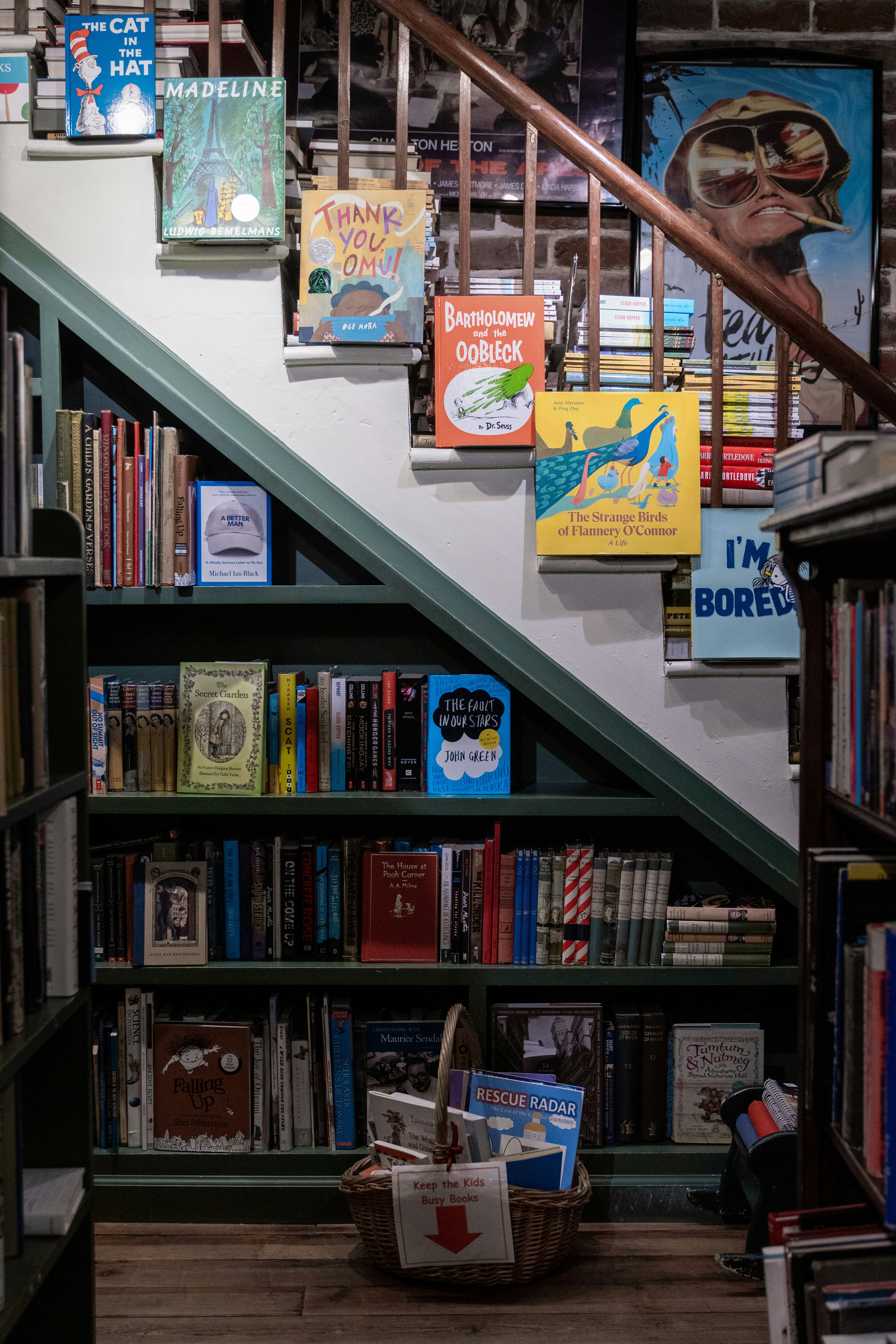
Local libraries and independent bookstores play a crucial role in fostering a love for reading among children under 15. These community-based institutions not only provide access to a vast array of books, but they also offer a welcoming environment that encourages young readers to explore diverse genres and topics. The ability to browse physical books allows children to engage in the reading experience in a tangible way, making it easier for them to discover new interests and cultivate their knowledge base.
Visiting a local library is more than just selecting books. Many libraries host engaging programs tailored for children and young adults, such as reading challenges, storytelling sessions, and author meet-and-greets. These activities not only promote literacy but also help children develop critical thinking and social skills. To find suitable books in local libraries, guardians can seek the assistance of librarians, who are often well-equipped to recommend titles based on interests and reading levels.
Similarly, independent bookstores often curate collections that reflect community interests, featuring both popular titles and lesser-known works. When utilizing these venues, it can be beneficial to attend local events, such as book signings or themed reading nights, which often spotlight specific books suited for younger audiences. Additionally, many bookstores have knowledgeable staff who can provide personalized recommendations and help parents select materials that align with their children’s educational goals. Exploring local libraries and bookstores not only enhances a child’s reading journey but also fosters a sense of community, providing an enriching backdrop for young readers.
Reading Recommendations from Educators
In the search for enriching literature suitable for children under 15, insights from experienced educators can provide invaluable guidance. They understand not only the developmental stages of children but also how various texts can enhance knowledge and foster a love for reading. Below are some carefully curated book recommendations from educators who have witnessed the profound impact these stories can have.
One widely recommended title is “Charlotte’s Web” by E.B. White. This timeless classic tells the story of friendship between a pig named Wilbur and a spider named Charlotte. Educators emphasize its themes of loyalty, compassion, and the circle of life, which can lead to meaningful discussions about animal welfare and the importance of friendships in one’s life.
Another strong recommendation comes from the world of fantasy; “Harry Potter and the Sorcerer’s Stone” by J.K. Rowling captures the imagination of many young readers. The series, starting with the first book, not only entertains but also introduces complex themes such as bravery, teamwork, and the battle between good and evil. Educators often note that this series encourages critical thinking and engages discussions about ethics and morality.
For nonfiction enthusiasts, educators often recommend “The Magic School Bus” series. This collection of books combines education with entertainment, allowing children to explore subjects such as science and nature through playful narratives. Each adventure on the magic school bus captivates minds and inspires curiosity about the world, making learning enjoyable and engaging.
Incorporating these recommendations can lead parents to select books that not only captivate their children’s attention but also enhance knowledge. Educators agree that the right books can spark interest in a variety of subjects and promote a lifelong love for reading, reminding us of the integral role literature plays in early development.
Community and Online Reading Groups
Joining community and online reading groups can be an enriching experience for children under 15. These groups facilitate engagement with literature in a structured yet fun manner, ultimately enhancing their interest in reading. As children participate in discussions about various books, they not only broaden their horizons but also improve their understanding of different genres and themes.
Reading groups create a unique platform where children can share their thoughts and opinions about books, fostering critical thinking and analytical skills. Being a part of these communities often encourages children to read a wider array of titles than they would typically select on their own. From classic literature to contemporary novels, children gain exposure to diverse narratives that enhance their literary knowledge.
In addition to academic benefits, social interaction is another significant advantage of joining a reading group. Children can make new friends with similar interests, which can be especially vital in fostering a love for reading. The camaraderie built through shared discussions about books creates a sense of belonging and motivates children to engage more deeply with literature. Whether in-person or online, these communities often host events such as author meet-and-greets, reading challenges, and themed book discussions, further enriching the experience.
Online reading groups can provide accessibility and flexibility, allowing children from various geographical locations to connect. Platforms like Goodreads or social media groups dedicated to children’s literature offer a plethora of options for young readers seeking community. With the ability to read and discuss books from the comfort of their homes, children can explore vast literary worlds and form critical relationships with peers.
Conclusion and Encouragement for Parents
Reading is an essential foundation for a child’s education and development. As children grow, the books they read can significantly enhance their understanding of the world around them. Introducing children under 15 to the right literature not only cultivates a love of reading but also enriches their vocabulary, fosters creativity, and promotes critical thinking skills.
Parents play a critical role in shaping their children’s reading habits. Engaging with children’s literature by reading together or discussing stories can solidify their appreciation for books. It can also transform reading into a shared experience that strengthens the bond between parent and child. Parents are encouraged to spend time exploring various genres and topics that interest their children. This exploration can broaden their horizons, spark curiosity, and inspire a lifelong passion for knowledge.
To ensure that children have access to quality literature, parents should actively seek out resources that provide recommendations tailored to different age groups and interests. Libraries and educational websites can serve as valuable tools in discovering age-appropriate and enriching books. Furthermore, joining local reading groups or book clubs can facilitate enjoyable literary discussions and motivate children to read more.
Ultimately, instilling a love for reading in a child is one of the most valuable gifts a parent can give. By actively participating in their reading journey and providing diverse literary resources, parents can empower their children to become enthusiastic readers who are better equipped for their future academic endeavors.